
Author: BetterTogetherAdmin
-
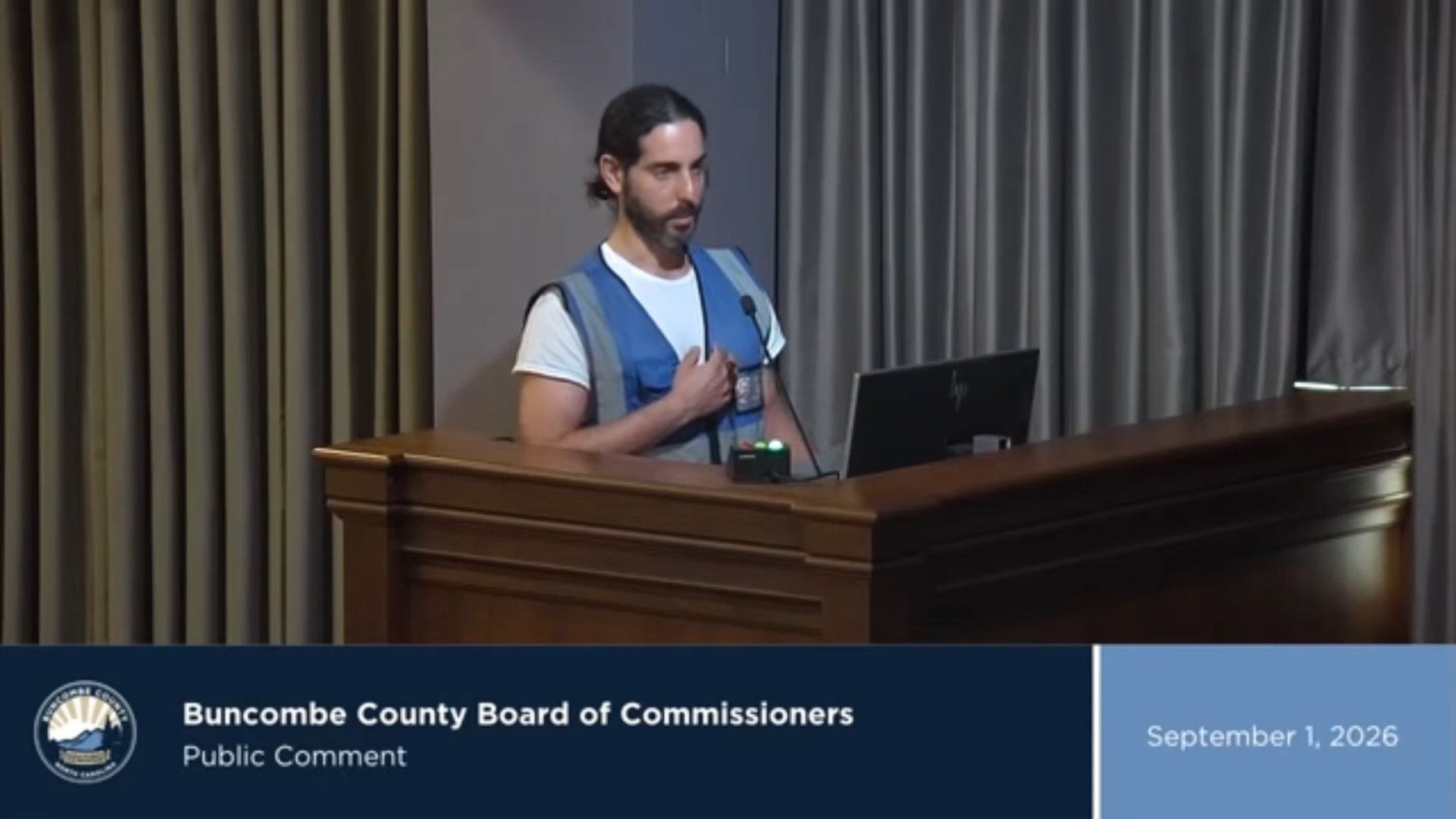
Let Voters Decide on Transit Funding
September 01, 2026 – Public Comment In this public comment to the Buncombe County Commissioners, Better Together Transportation highlights driver shortages at Mountain Mobility and Asheville transit and urges the County to put a quarter-cent transit referendum before voters to fund more service. County Reports Referenced:
-
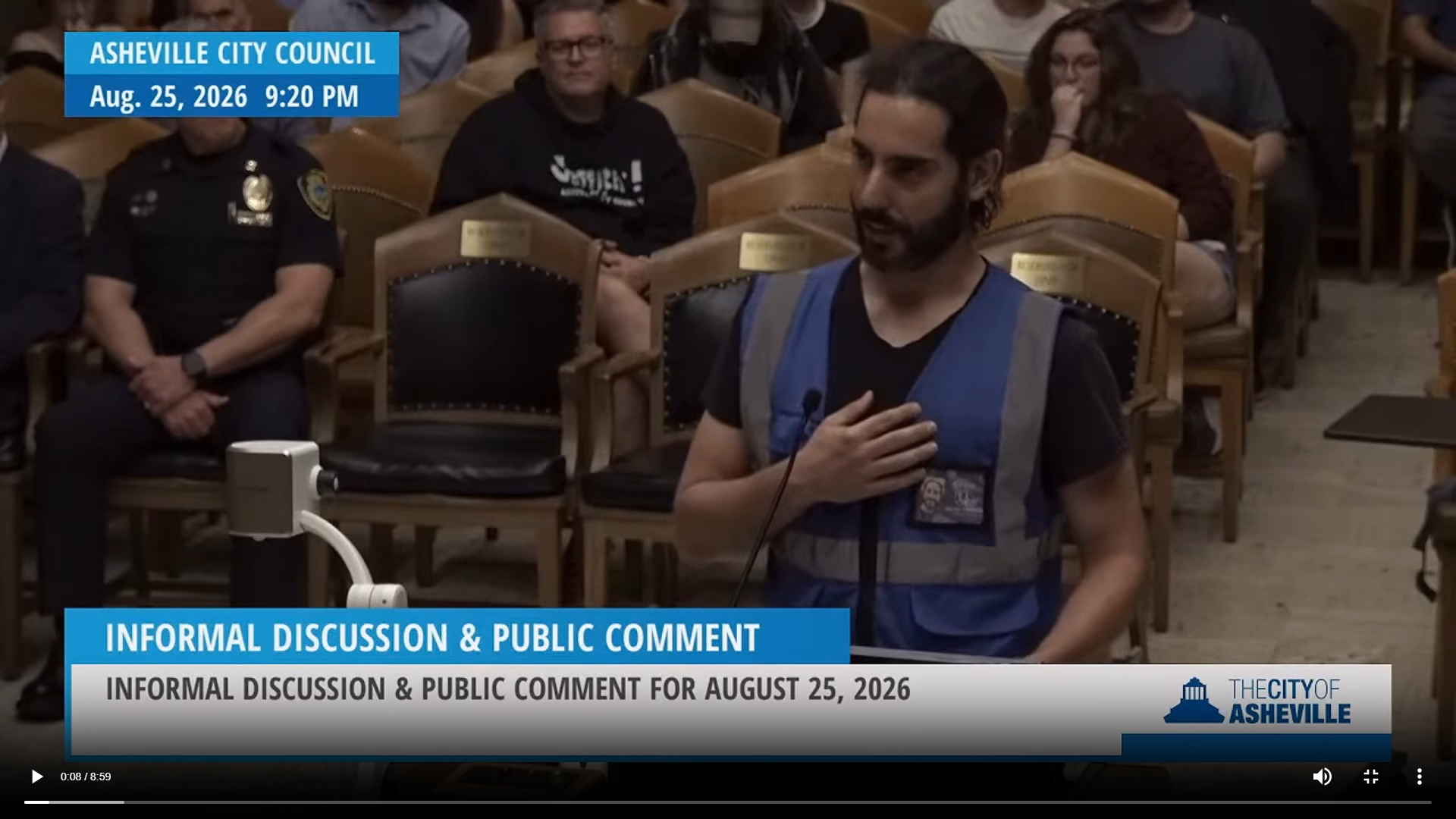
Keep the Coverage. Add the Frequency.
Better Together Transportation urges the City to preserve bus coverage, avoid replacing routes with uncertain alternatives, and pursue new funding to expand both ART and Mountain Mobility.
-
Choosing Coverage Over Ridership
Better Together Transportation challenges a ridership-first bus redesign that would cut service to Transformation Village, MAHEC, and the Social Security office. The speech urges Council to choose coverage over theoretical gains in job access and protect riders who depend on transit for shelter, health care, and essential benefits.
-
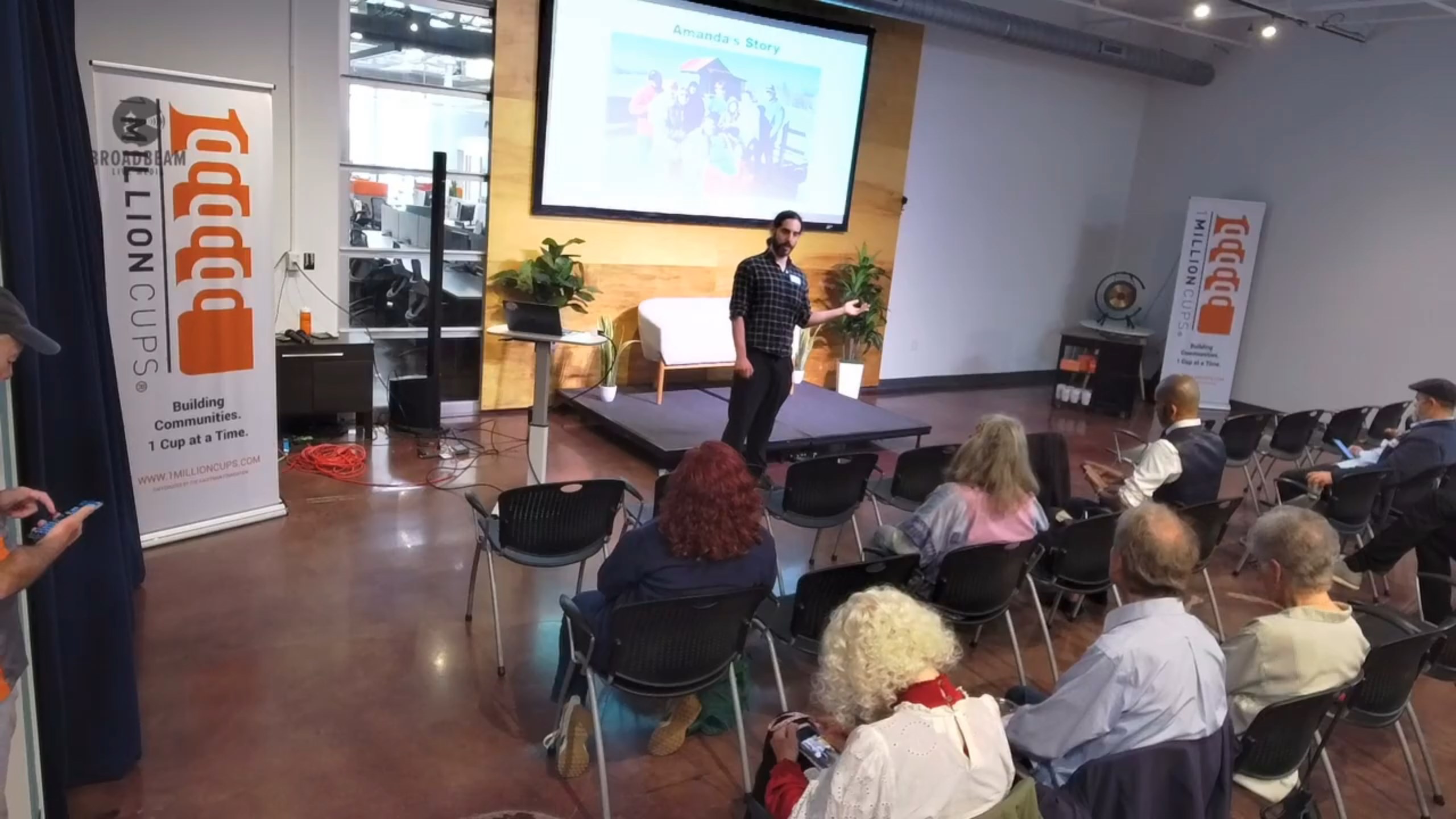
Transportation as Access to Human Connection
Founder Eugenio “Gino” Perez explains how the loss of transportation can become isolation, and why relational transportation helps seniors and people with disabilities stay connected to the people and places they love.
-

Protecting Transit Access in Asheville
We address the human cost of a ridership-first transit redesign. Using the city’s own reports, we explain how reduced coverage would leave residents without transit service and further isolate older adults and disabled residents.
-

Fixing Buncombe County’s Ride Voucher Program
Buncombe County’s ride voucher program has major access problems. We call for centralized dispatch and direct reimbursement to make the system usable in practice.
-

Protecting Transit Coverage in Buncombe County
We urge county leaders to protect transit coverage and explain why Buncombe County’s terrain and spread-out population make broad access essential for residents.
-

Ending the Two-Bag Grocery Limit for Seniors
Mountain Mobility’s two-bag grocery limit can leave some seniors without enough food. We propose practical fixes, including in-vehicle storage and limited driver assistance.